Tasmania on a Budget: 15 Money-Saving Tips for Your Road Trip
Tasmania has a reputation as an expensive destination, and it's true that peak season can strain your budget. However, with smart planning and insider knowledge, you can experience Tasmania's spectacular landscapes, world-class food, and unique attractions without spending a fortune.
This guide shares 15 practical tips for cutting costs on your Tasmania road trip - strategies that locals use and savvy travelers swear by.
1. Travel in Shoulder or Off-Season
This single decision will save you more money than any other. Traveling in April-May (autumn) or September-November (spring) can cut your costs by 40-60% compared to peak summer.
What You'll Save:
- Accommodation: $120-180 per night → $60-90 per night
- Rental cars: $80-120 per day → $45-65 per day
- Tours and activities: Often 20-30% cheaper
The weather in shoulder seasons is still pleasant - you'll just need a warm jacket. The trade-off in accommodation and transport costs alone can save $500-1000 on a week-long trip.
Avoid: Christmas-January, Easter, and Australian school holidays when prices peak.
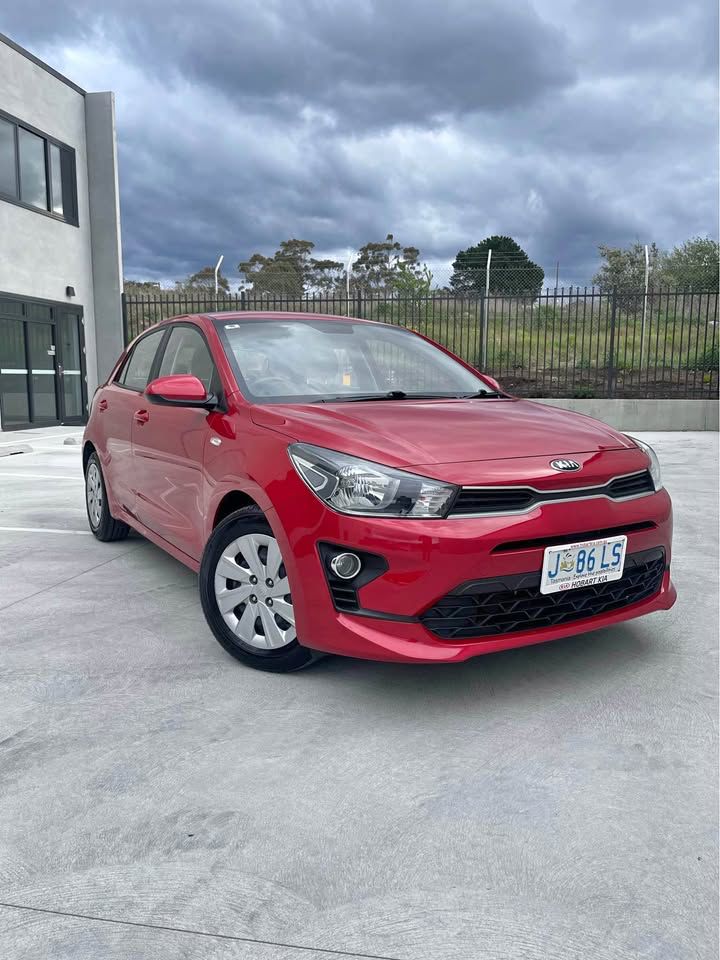
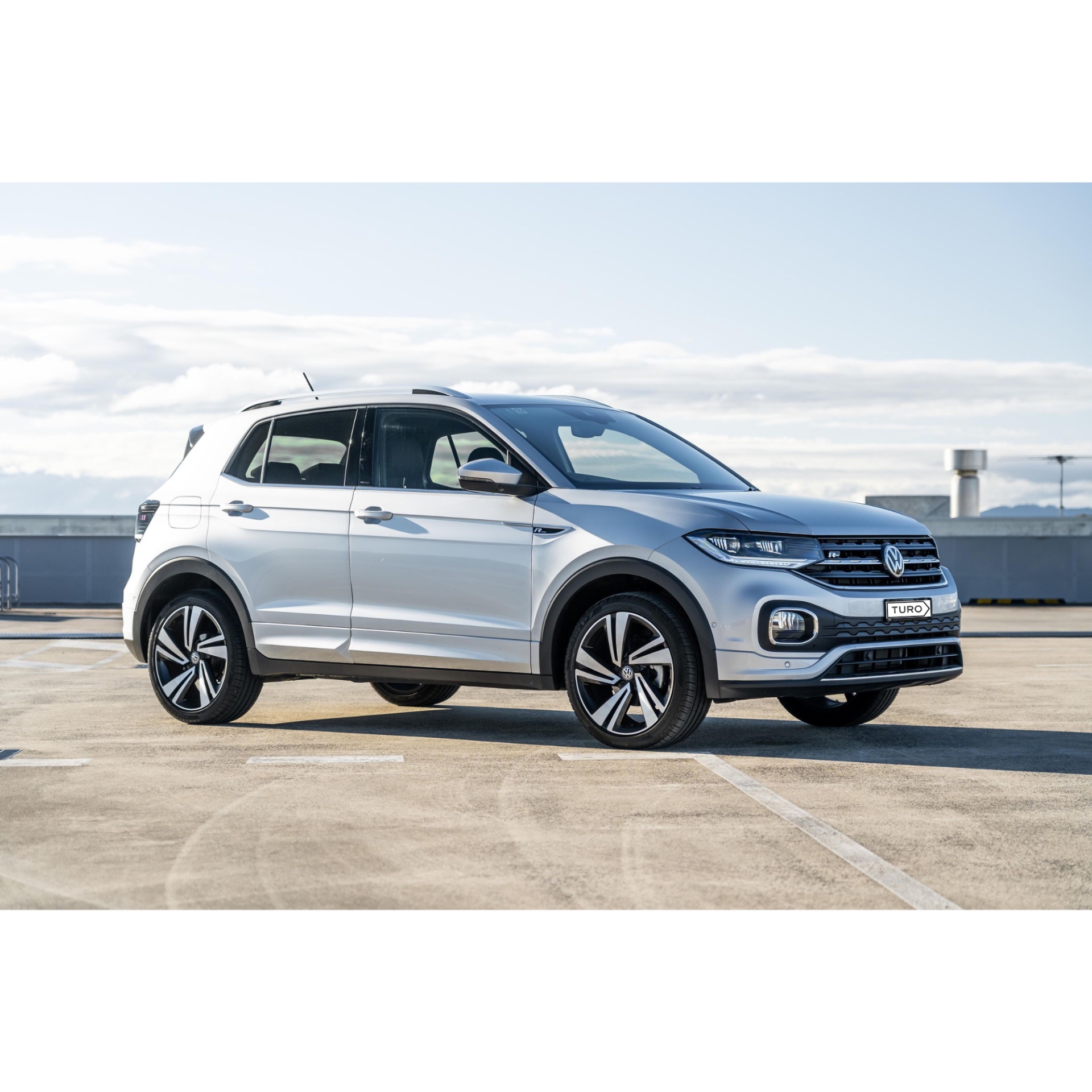
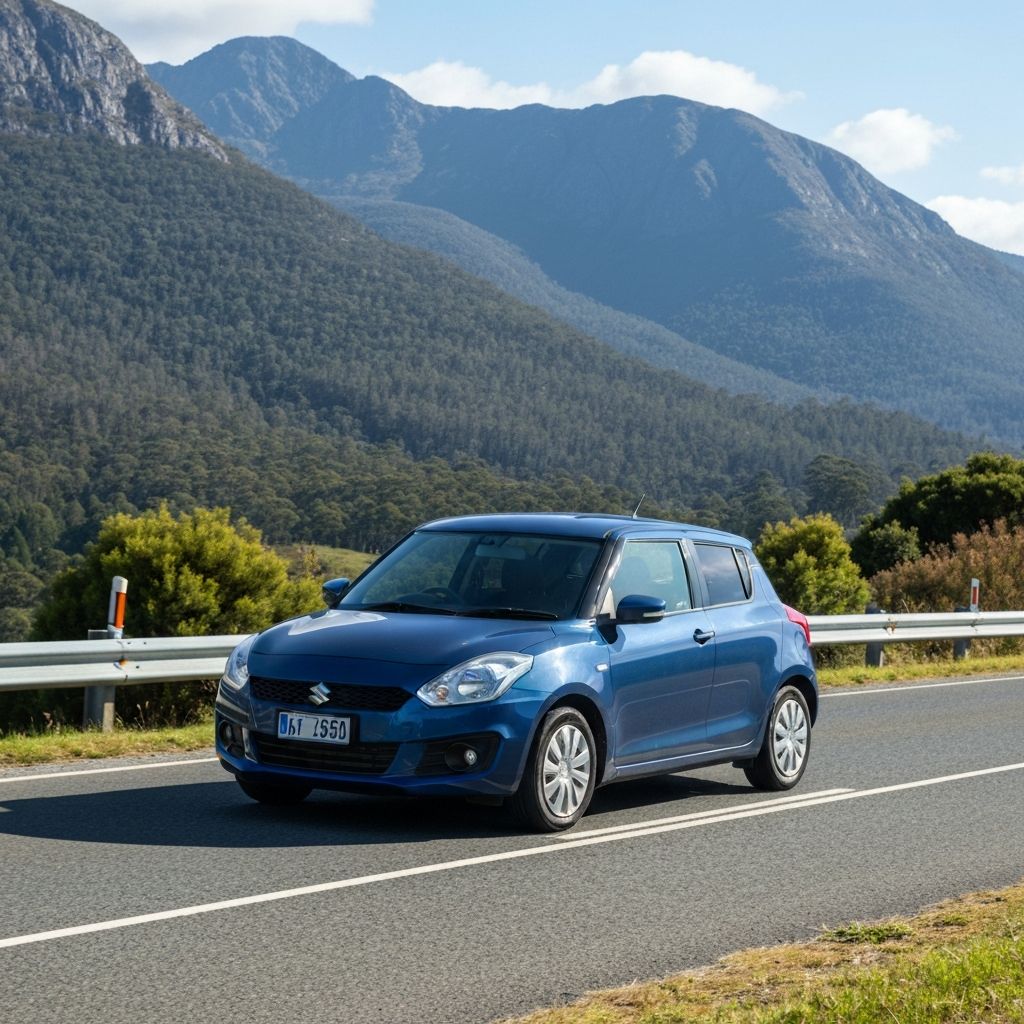
2. Book Your Rental Car Early and Direct
Rental car prices in Tasmania fluctuate dramatically based on demand. A car that costs $45 per day when booked 8 weeks in advance might cost $120 per day if you book the week before.
How to Save:
- Book 6-8 weeks in advance for best rates
- Book for a full week (7 days) - daily rates drop significantly
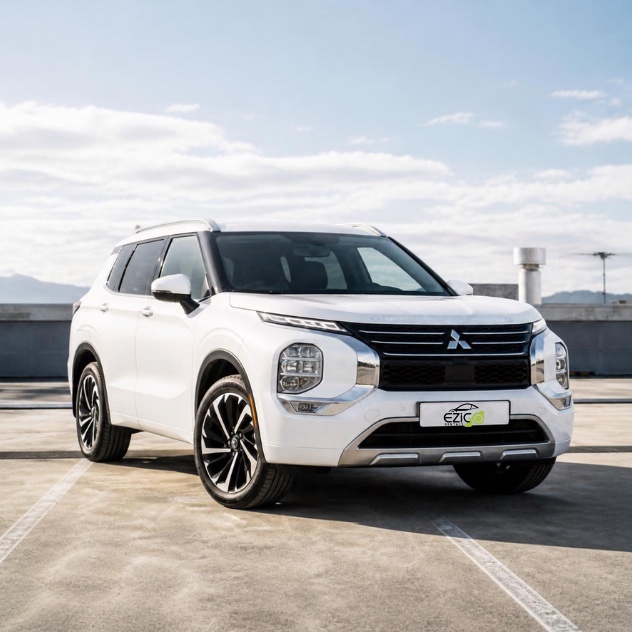
- Compare local operators like EziGo with international chains - locals often have better rates
- Book directly with the company to avoid third-party markup
- Skip expensive add-ons like GPS (use your phone) and pre-paid fuel
Potential Savings: $30-50 per day on rental costs
3. Self-Cater Your Meals
Restaurant meals in Tasmania are excellent but expensive - expect $25-40 per person for casual dining, $60-100+ for fine dining. By self-catering some meals, you'll save significantly without sacrificing quality.
Budget Strategy:
- Eat breakfast at your accommodation (most places provide at least basic continental)
- Pack picnic lunches to eat at scenic spots
- Enjoy one restaurant dinner per day
Where to Shop:
- Salamanca Market (Hobart, Saturdays): Fresh produce, bread, cheeses, smoked goods
- Harvest Market (Launceston, Saturdays): Local produce at farmgate prices
- Farm Gates: Roadside stands selling eggs, vegetables, fruits - trust-based honesty boxes
- Bakeries: Tasmania has excellent bakeries with pies, sandwiches, and pastries for $6-10
- Supermarkets: Coles and Woolworths in larger towns
Local Products to Try:
- Tasmanian cheeses (King Island, Ashgrove)
- Smoked salmon and trout
- Fresh oysters (especially Bruny Island)
- Artisan bread from local bakeries
- Local apples and berries (seasonal)
Potential Savings: $40-60 per person per day
4. Choose Budget Accommodation Wisely
Tasmania has accommodation for every budget, from campgrounds to luxury hotels. Strategic choices can save hundreds of dollars over a week.
Budget Options:
Camping ($15-35 per night):
- National Parks have basic but beautiful campgrounds
- BIG4 and Top Tourist Parks offer amenities for $30-45
- Free camping at some rest areas (download WikiCamps app)
- Best for: Summer and autumn when weather is warmer
Hostels ($25-45 per bed):
- YHA Hostels in Hobart, Launceston, and tourist towns
- Private rooms available for couples
- Kitchens for self-catering
- Social atmosphere and travel tips from staff
Airbnb/Self-Contained Units ($80-140 per night):
- Full kitchen saves on dining costs
- Often better value than hotels for groups/families
- Book entire places and split costs
Budget Motels ($90-130 per night):
- Basic but clean rooms with parking
- Found in most towns
- Book directly for better rates than booking sites
Money-Saving Tips:
- Stay in towns rather than within national parks (much cheaper)
- Book weekday nights when possible (weekends cost more)
- Look for places with kitchen facilities
- Share accommodation costs if traveling with others
Potential Savings: $50-100 per night compared to mid-range hotels
5. Visit Free Attractions
Many of Tasmania's most spectacular experiences cost nothing. Build your itinerary around these free highlights:
Beaches:
- Wineglass Bay Lookout (parking fee applies but beach is free)
- Bay of Fires
- Binalong Bay
- Adventure Bay (Bruny Island)
Scenic Drives:
- East Coast from Orford to St Helens
- Tasman Peninsula circuit
- Huon Valley loop
- Northern wilderness areas
Historic Towns:
- Richmond (historic bridge and streets)
- Ross (historic village with excellent bakery)
- Stanley (The Nut lookout is free to walk)
- Battery Point (Hobart's historic neighborhood)
Lookouts and Short Walks:
- Mount Nelson lookout (Hobart)
- Liffy Falls (45-minute return walk)
- Russell Falls (20-minute return walk - parking fee)
- Remarkable Cave (Tasman Peninsula)
- Bicheno Blowhole
Markets:
- Salamanca Market (Saturdays, Hobart)
- Harvest Market (Saturdays, Launceston)
- Local weekend markets in many towns
6. Use National Parks Passes Strategically
Tasmania's national parks require passes for vehicle entry. Understanding the system saves money:
Pass Options:
- 8-week Holiday Pass: $80 per vehicle (best value for week-long trips)
- 24-hour Vehicle Pass: $30 (only if visiting one park for one day)
- Annual Pass: $120 (only worth it if staying 2+ months)
Money-Saving Strategy:
Buy the 8-week pass if visiting 3+ parks (you'll break even). If only visiting one park, buy the day pass.
What's Covered: The pass covers all state-managed parks including Freycinet, Mount Field, Cradle Mountain, and Bay of Fires. One pass covers everyone in your vehicle.
What's Not Covered: Accommodation, camping fees, and guided tours are separate.
7. Leverage Free Tastings and Tours
Tasmania's food and drink producers offer many free experiences:
Free Tastings:
- Wineries (most offer free tastings of 4-6 wines)
- Breweries (sample before you buy)
- Cheese factories (Ashgrove, Pyengana)
- Honey farms
- Chocolate factories
Strategy: Visit 3-4 wineries in a region and sample freely. Buy one bottle from your favorite to support them. You've experienced local wine culture for $25 instead of $80+ for a formal tasting tour.
Free Farm Visits:
- Ashgrove Cheese in Elizabeth Town
- Christmas Hills Raspberry Farm (seasonal)
- Melita Honey Farm
- Grandvewe Cheeses (small tasting fee)
8. Fill Your Water Bottles
This seems minor, but buying bottled water for a week adds up to $30-50. Tasmania has some of the world's purest tap water - bring refillable bottles and fill from taps at accommodations, public toilets, and visitor centers.
Bonus: Better for the environment and the water actually tastes great.
9. Drive Yourself vs. Joining Tours
Organized tours are convenient but expensive. Compare these examples:
Wineglass Bay Tour: $150-200 per person
Self-Drive: $30 park pass + $15 fuel = $45 total (plus rental car you're paying for anyway)
Cradle Mountain Day Tour from Launceston: $175-220 per person
Self-Drive: $30 park pass + $35 fuel = $65 total
When Tours Are Worth It:
- Gordon River Cruises (can't access independently)
- Wildlife encounters (guides help you spot animals)
- Multi-day bushwalking (logistics and safety)
- Wine tours (if you want to drink - designated driver issue)
When to Self-Drive:
- Most national parks and scenic drives
- Beaches and coastal areas
- Historic towns
- Food trails (except wine if drinking)
Potential Savings: $100-150 per person per tour
10. Embrace Roadside Stops and Picnics
Some of Tasmania's best experiences cost nothing but time:
- Stop at viewpoints and take photos
- Picnic at beaches with sandwiches from local bakeries
- Walk short trails to waterfalls
- Photograph wildlife at dawn and dusk
- Explore historic towns on foot
These "free" moments often become your favorite memories. The spontaneous stop for fish and chips eaten at a harbor, the sunset watched from a random beach, the wallabies spotted grazing near your campsite - these don't appear in guidebooks but define your trip.
11. Fuel Savings Strategies
Fuel costs add up on a road trip. Tasmania's prices vary by location:
Money-Saving Tips:
- Fill up in Hobart or Launceston before long drives (cheapest prices)
- Use fuel comparison apps (MotorMouth, PetrolSpy)
- Avoid filling up in tiny towns - prices can be 20-30 cents per liter higher
- Fill up in Queenstown before driving to Strahan or Cradle Mountain
- Drive efficiently - Tasmania's hills reward smooth driving
Potential Savings: $20-40 per tank by choosing where you fill up wisely
12. Book Attractions in Advance Online
Many paid attractions offer online booking discounts:
- MONA: Online tickets save $5-10 per person
- Port Arthur: Multi-day passes offer better value
- Wildlife Parks: Online booking often 10-15% cheaper
- Gordon River Cruises: Early bird discounts available
Check attraction websites directly rather than third-party booking sites which add fees.
13. Travel with Others and Split Costs
Tasmania is significantly cheaper for groups:
What You Can Split:
- Rental car ($60 per day ÷ 4 people = $15 each)
- Fuel ($150 per week ÷ 4 = $37.50 each)
- Accommodation (4-bed apartment for $140 = $35 per person vs $90 hotel room per person)
- National Parks pass ($80 ÷ 4 = $20 each)
- Groceries (bulk buying cheaper per person)
Potential Savings: Traveling with 3 friends can cut your costs by 50% compared to solo travel
14. Use Credit Cards Wisely
If you're an international visitor:
- Use credit cards with no foreign transaction fees (saves 3%)
- Withdraw larger amounts from ATMs less frequently (avoid multiple fees)
- Some credit cards include rental car excess insurance (check before buying from rental company)
- Pay in AUD, not your home currency (better exchange rate)
15. Prioritize Experiences Over Things
This isn't strictly about saving money, but about spending smart:
Skip:
- Expensive souvenirs that collect dust
- Tourist trap attractions
- Overpriced convenience food
Invest In:
- One spectacular meal at a renowned restaurant
- A guided wildlife experience where you learn from experts
- Quality local products you can't get elsewhere (whisky, wine, crafts)
Ask yourself: "Will I remember this in 5 years?" Sunset at Wineglass Bay? Yes. Overpriced t-shirt from a gift shop? Probably not.
Sample Budget Breakdown: 7-Day Tasmania Road Trip
Budget Option (Per Person, Based on 2 People Traveling)
Accommodation: $60 x 7 nights = $420 (hostels, camping, budget motels)
Rental Car: $50 x 7 days ÷ 2 = $175
Fuel: $150 ÷ 2 = $75
Food: $40 x 7 days = $280 (self-cater breakfast & lunch, cheap dinner)
National Parks Pass: $80 ÷ 2 = $40
Attractions: $100 (Port Arthur, one paid experience)
Miscellaneous: $60
Total: $1,150 per person for 7 days
Comfort Option (Per Person, Based on 2 People Traveling)
Accommodation: $110 x 7 nights = $770 (budget hotels, Airbnb)
Rental Car: $70 x 7 days ÷ 2 = $245
Fuel: $150 ÷ 2 = $75
Food: $70 x 7 days = $490 (breakfast in, lunch mix, nice dinners)
National Parks Pass: $80 ÷ 2 = $40
Attractions: $250 (multiple paid experiences)
Miscellaneous: $100
Total: $1,970 per person for 7 days
Peak Season Premium (Add these to above)
If traveling December-January, add approximately 40-60% to accommodation and car rental costs.
The Bottom Line
Tasmania doesn't have to be expensive. By traveling in shoulder season, self-catering some meals, choosing budget accommodation, and prioritizing free natural attractions, you can experience this incredible island for $150-200 per person per day - less if you're really thrifty.
The key is planning ahead. Last-minute Tasmania trips cost significantly more due to limited availability and higher prices. Book your rental car and accommodation 6-8 weeks in advance, pack layers to handle variable weather, and embrace the slower pace that budget travel encourages.
Some of Tasmania's best experiences - hiking to pristine beaches, watching sunsets from mountain lookouts, spotting wildlife at dawn, driving through ancient forests - are completely free. Your biggest expense is transportation, and that's where a reliable rental car becomes essential. With your own vehicle, you have the freedom to seek out those free experiences, shop at farmers markets, and explore at your own pace without paying for expensive tours.
Tasmania rewards travelers who take time to explore beyond the main tourist trail. That off-the-beaten-path waterfall you found by talking to locals, the farmgate cheese that wasn't in guidebooks, the quiet beach where you had sunrise to yourself - these are the experiences that make Tasmania magical, and they don't require a luxury budget.