
Best Time to Visit Tasmania: Complete Seasonal Guide 2026
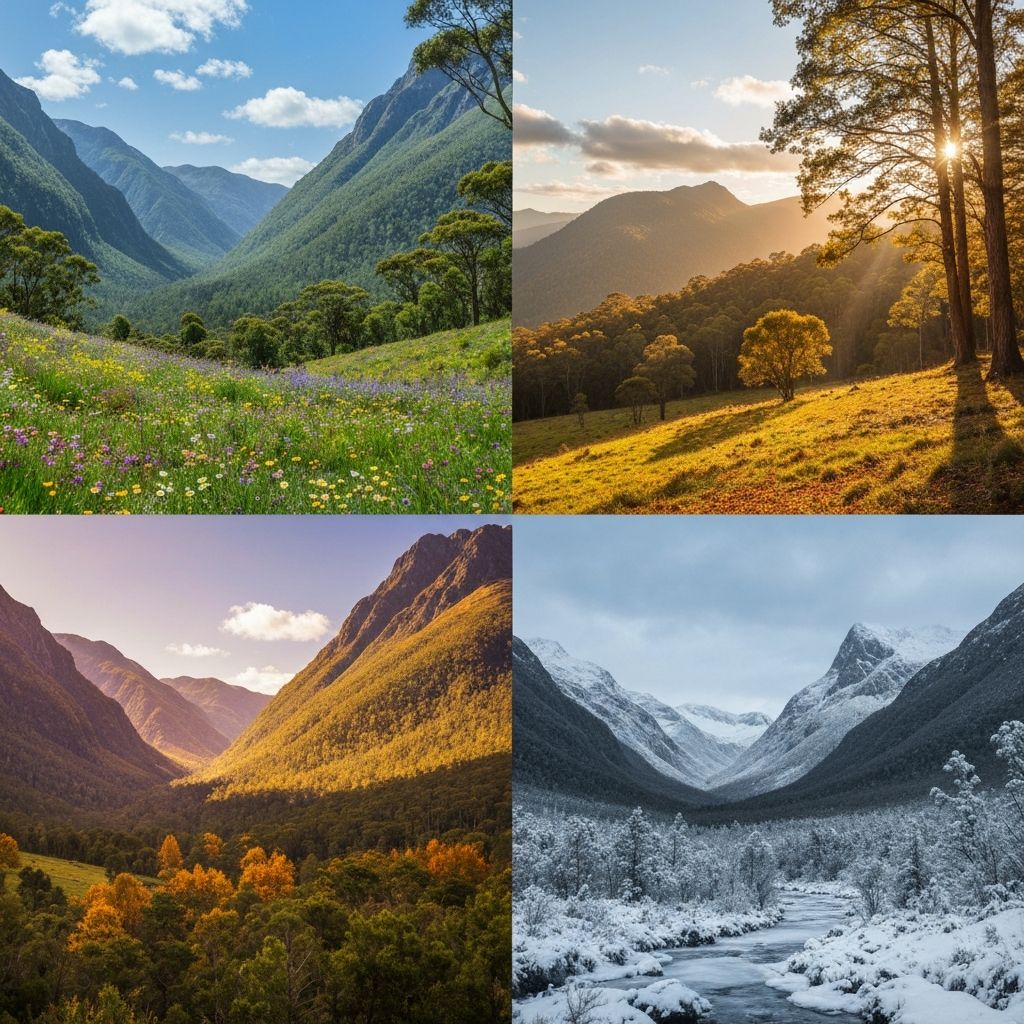
Tasmania's dramatic seasons offer completely different experiences throughout the year. Unlike tropical destinations where seasons blend together, Tasmania has four distinct seasons - each with unique attractions, challenges, and character. Choosing when to visit depends on what you want to experience, your budget, and your tolerance for cold weather.
This guide breaks down every season in detail, helping you decide the perfect time for your Tasmania adventure.
Summer in Tasmania (December - February)
Weather
Tasmania's summer is mild compared to mainland Australia, with temperatures ranging from 17-25°C (63-77°F). Hobart averages 21°C, while Launceston can reach 24°C. The west coast stays cooler and wetter, while the east coast enjoys more sunshine.
Summer brings the longest days - the sun sets after 9pm in January, giving you maximum daylight for exploring. However, Tasmania's weather remains unpredictable; pack layers even in summer as mountain areas can be chilly.
Why Visit in Summer?
Beach Weather: Tasmania's pristine beaches are at their best. Swim at Wineglass Bay, Bay of Fires, or Binalong Bay without a wetsuit. Water temperatures reach 17-19°C - refreshing but swimmable.
Hiking Conditions: All trails are snow-free and accessible. Popular walks like the Overland Track, Three Capes, and Wineglass Bay lookout are at their best. Wildflowers bloom in alpine areas.
Long Days: More daylight means you can pack more into each day. Start early and you'll still have evening light for dinner at waterfront restaurants.
Festival Season: Summer brings Tasmania's best festivals including the Taste of Tasmania food festival (December-January), MONA FOMA music and arts festival (January), and numerous local food markets.
Downsides of Summer
Peak Season Pricing: Accommodation costs double or triple compared to winter. Rental cars, tours, and restaurants are similarly expensive. Book 3-6 months ahead or you'll struggle to find availability.
Crowds: Popular attractions like Port Arthur, MONA, and Cradle Mountain get busy. Arrive early morning to avoid tour groups.
Bushfire Risk: Hot, dry conditions increase fire danger, particularly in January and February. Some walking tracks may close on extreme fire danger days.
Best For:
- Beach lovers and swimmers
- Families with school-age children
- Multi-day bushwalking
- Outdoor dining and festivals
- Those who don't mind crowds
Insider Tip:
Visit in early December or late February to enjoy summer weather with fewer crowds and lower prices. The weather is nearly as good, but you'll avoid the peak Christmas-January crush.
Autumn in Tasmania (March - May)
Weather
Many locals and visitors consider autumn Tasmania's most beautiful season. Temperatures range from 10-19°C (50-66°F) - crisp mornings, pleasant afternoons. Rainfall increases but you'll still have plenty of sunny days.
By May, snow begins dusting the mountains, creating stunning contrasts with golden deciduous trees. Days shorten but you'll still have good daylight for sightseeing until late afternoon.
Why Visit in Autumn?
Spectacular Foliage: Tasmania's deciduous trees (poplars, oaks, maples) create golden landscapes throughout April and May. The Tamar Valley, Huon Valley, and areas around Cradle Mountain are particularly stunning.
Harvest Season: This is the best time for food and wine experiences. Vineyards harvest grapes, orchards pick apples, and restaurants showcase fresh produce. Food festivals celebrate the season's bounty.
Perfect Hiking Weather: Not too hot, not too cold. Trails are less crowded than summer but still fully accessible. The cooler weather actually makes hiking more comfortable.
Wildlife Activity: Many animals are more visible in autumn. Wombats, wallabies, and pademelons come out to feed more frequently as food becomes scarcer.
Better Value: Accommodation prices drop 30-50% after Easter. Rental cars and tours are similarly discounted, and you'll find availability without booking months ahead.
Downsides of Autumn
Variable Weather: April and May can be wet. Pack waterproofs and be flexible with your itinerary.
Shorter Days: By May, the sun sets by 5:30pm, limiting your sightseeing time.
Some Services Close: Tourist services in smaller towns reduce hours or close for the season after Easter.
Best For:
- Food and wine enthusiasts
- Photographers seeking fall colors
- Budget-conscious travelers
- Those who prefer mild weather
- Couples seeking romantic getaways
Insider Tip:
Late April through mid-May offers the best fall foliage. Book accommodation in the Tamar or Huon Valleys to be surrounded by golden landscapes.
Winter in Tasmania (June - August)
Weather
Tasmania's winter is cold but not extreme by international standards. Coastal areas average 8-13°C (46-55°F), while inland and mountain regions frequently drop below freezing. Snow falls reliably on mountains above 1,000 meters.
The west coast receives significant rainfall - Strahan averages 200mm per month in winter. The east coast is drier. Days are short with sunset around 5pm in June.
Why Visit in Winter?
Snow-Capped Mountains: Cradle Mountain and Mount Field look spectacular under snow. While Tasmania doesn't have ski resorts, the winter landscape is magical.
Cozy Experiences: This is the season for warming up in whisky distilleries, sitting by fires in historic pubs, and enjoying Tasmania's comfort food. Many restaurants offer winter menus featuring local game and hearty dishes.
Lowest Prices: Accommodation can be 50-70% cheaper than summer. You'll often have attractions to yourself. This is budget travel season.
Winter Festivals: Dark Mofo (June) has become internationally famous for its provocative winter arts festival. The winter feast events showcase Tasmania's food scene.
Dramatic Weather: If you love moody, atmospheric weather, winter Tasmania is stunning. Storm-watching from coastal locations is popular.
Truffle Season: June-August is truffle season. Join truffle hunts or enjoy truffle-infused dishes at restaurants across Tasmania.
Downsides of Winter
Cold Weather: If you don't like cold, wet weather, winter Tasmania will challenge you. Pack serious warm weather gear.
Limited Daylight: Short days (sunrise 7:30am, sunset 5pm) mean you can't cover as much ground.
Road Closures: Snow and ice can close highland roads. Check conditions before driving to Cradle Mountain or Mount Field.
Some Attractions Close: Some seasonal attractions and walking track facilities close for maintenance during quiet winter months.
Best For:
- Budget travelers
- Food and whisky enthusiasts
- Photography of dramatic weather
- Those who don't mind cold weather
- Couples seeking romantic, cozy experiences
Insider Tip:
Visit in August for better weather than June-July but maintaining winter pricing. You'll also see early spring flowers beginning to bloom in sheltered areas.
Spring in Tasmania (September - November)
Weather
Spring weather is notoriously variable in Tasmania - the local saying is "four seasons in one day" applies most strongly in October and November. Temperatures range from 8-17°C (46-63°F) with significant day-to-day variation.
Rain is common but interspersed with beautiful clear days. Snow still falls on mountains in September and early October. By November, weather is quite pleasant though still unpredictable.
Why Visit in Spring?
Wildflower Bloom: September through November brings spectacular wildflower displays, particularly in alpine and coastal areas. Royal Botanic Gardens and Tahune AirWalk are especially beautiful.
Baby Animals: Spring is breeding season. You'll see joeys (baby wallabies and kangaroos) in pouches, and farmers' fields fill with lambs and calves.
Shoulder Season Pricing: Better rates than summer but cheaper than autumn. Good value for money with decent weather.
Fresh Energy: After winter, Tasmania comes alive. Gardens bloom, farmers markets overflow with spring produce, and there's optimism in the air.
Longer Days: Daylight increases throughout spring. By November you have until 8pm sunset.
Good Hiking: By October, most trails are accessible. The cooler spring weather makes hiking comfortable, and you'll avoid summer crowds.
Downsides of Spring
Unpredictable Weather: You might experience sunshine, rain, wind, and hail in a single day. Pack for all conditions.
Some Roads Still Closed: Highland roads might remain closed into October if there's been heavy snow.
Water Too Cold for Swimming: While beaches are beautiful, water temperatures of 11-14°C mean swimming requires a wetsuit.
Best For:
- Nature lovers and photographers
- Hikers seeking comfortable temperatures
- Budget-conscious travelers wanting decent weather
- Those who enjoy variable weather
- Garden enthusiasts
Insider Tip:
Late October and November offer the best spring weather with longer days and warming temperatures, plus wildflowers are still blooming. Book for Melbourne Cup weekend in early November for special events.
Month-by-Month Breakdown
December
Weather: 17-24°C, warm and sunny
Highlights: Taste of Tasmania, Christmas markets, beach weather
Crowds: Building throughout month, busy Christmas-New Year
Prices: High and rising
January
Weather: 17-25°C, warmest month
Highlights: MONA FOMA festival, beach season peak, long days
Crowds: Peak season - busiest month
Prices: Highest of the year
February
Weather: 17-24°C, warm, occasionally hot
Highlights: Royal Hobart Regatta, still great beach weather
Crowds: Easing after Australia Day
Prices: High but dropping mid-month
March
Weather: 14-21°C, pleasant with crisp mornings
Highlights: Autumn colors beginning, harvest festivals
Crowds: Moderate
Prices: Dropping significantly
April
Weather: 11-18°C, mild days, cool nights
Highlights: Peak fall foliage, food and wine events
Crowds: Quiet after Easter
Prices: Good value
May
Weather: 9-15°C, cool and fresh
Highlights: Last of fall colors, cozy pub experiences
Crowds: Very quiet
Prices: Low season discounts
June
Weather: 7-12°C, cold and wet
Highlights: Dark Mofo festival, truffle season begins
Crowds: Minimal except during Dark Mofo
Prices: Lowest of the year
July
Weather: 7-12°C, coldest month
Highlights: Snow on mountains, whisky distilleries, truffle hunts
Crowds: Very quiet
Prices: Winter discounts
August
Weather: 7-14°C, cold with improving conditions
Highlights: Final truffle season, winter is ending
Crowds: Starting to pick up
Prices: Still discounted
September
Weather: 9-16°C, variable spring weather
Highlights: Wildflowers emerging, baby animals
Crowds: Quiet but building
Prices: Shoulder season rates
October
Weather: 10-17°C, unpredictable
Highlights: Spring blooms peak, Tasmania Seafood Seduction
Crowds: Moderate
Prices: Reasonable
November
Weather: 12-19°C, improving rapidly
Highlights: Gardens in bloom, pre-summer calm
Crowds: Building toward summer
Prices: Rising but still reasonable
Special Considerations
Australian School Holidays
Avoid these periods if you want to avoid crowds and high prices:
- Late December - Late January (Summer holidays)
- Two weeks around Easter (dates vary)
- Two weeks in late June - early July (Winter holidays)
- Two weeks in late September - early October (Spring holidays)
Major Events
Book well in advance if visiting during:
- Taste of Tasmania: Late December - Early January
- MONA FOMA: Mid-January
- Dark Mofo: June (accommodation in Hobart is scarce)
- Festivale: Launceston, mid-February
Our Recommendation: Best Time to Visit
Overall Best Time: Late March through April (Autumn)
You get beautiful weather, stunning fall colors, fantastic food experiences, and shoulder season pricing. It's the sweet spot between summer crowds and winter cold.
Best Weather: January - February (Summer)
If weather is your priority and you don't mind crowds or high prices, summer delivers consistently good conditions.
Best Value: June - August (Winter)
Prices plummet in winter. If you're budget-conscious and don't mind cold weather, you'll save significantly while experiencing Tasmania's cozy side.
Best Balance: November or Late February
Shoulder periods offer better weather than winter, fewer crowds than peak summer, and more reasonable prices.
Planning Your Visit
Whatever season you choose, having your own vehicle is essential for experiencing Tasmania's seasonal beauty. Many of the best seasonal experiences - fall foliage drives, winter distillery visits, spring wildflower locations, summer beaches - are only accessible with a car.
Book your accommodation and rental car early regardless of season, but especially for summer and major events. Even in winter, the best properties and vehicles book up during school holidays.
Tasmania's compact size means you can experience multiple seasons if you visit during transitional periods. In late October, you might see snow on Cradle Mountain, spring wildflowers in the valleys, and enjoy mild beach weather on the east coast - all in one trip.
Ultimately, there's no bad time to visit Tasmania. Each season offers unique experiences and beauty. Choose based on your priorities: weather, budget, crowds, or specific experiences you want to have. Whenever you visit, Tasmania will deliver unforgettable memories and stunning landscapes.